“I would give a nickel for simplicity on the near side of complexity, but I would give my life for simplicity on the far side of complexity” – Both Einstein and Oliver Wendell Holmes, Jr. have been credited with some variation of this quote.
In the fire service, it is very applicable. We, without hesitation, trust and follow the incident commander that can effectively manage an emergency with a calm confidence. We breathe easier, no matter the situation, when we hear their voice on the radio. They have earned this respect and following through a demonstration of their skills and competence over time and throughout experiences. It wasn’t the run-of-the-mill-room-and-content fire, or the typical MVA-MCI, it was the this-could-go-south-at-any-moment or walking-the-line-between-offensive-and-defensive calls where they made the right call at the right time, everybody went home safe, there were no fatalities, and all-the-while, they were “cool as a cucumber”.
These leaders respect the incident, respect the risks, respect the unknowns, respect their people…understand them all and their relative complexity due to their dedicated training and discipline…and then make the resolution of the emergency appear as a simple exercise in the basics.
This is simplicity on the far side of complexity, and it’s
the only place where simplicity belongs in the fire service.
I don’t know about you, but I wasted a significant portion of my life overly concerned with what other people thought of me. The confidence I have today has taken many years to acquire and, surprisingly, it didn’t magically appear after a particular award or promotion, accolade or compliment. In the end, I only became confident after the realization of a simple truth.
I would NEVER be perfect.
After all, “trying” is half the battle. Paired with a little “refusing to quit” and I’m nearly there. The final piece of the confidence puzzle…”no shame”. Let’s face it, nobody is perfect. Everybody has insecurities and experiences self-doubt. There’s only one person that can take your confidence away, and that’s you.
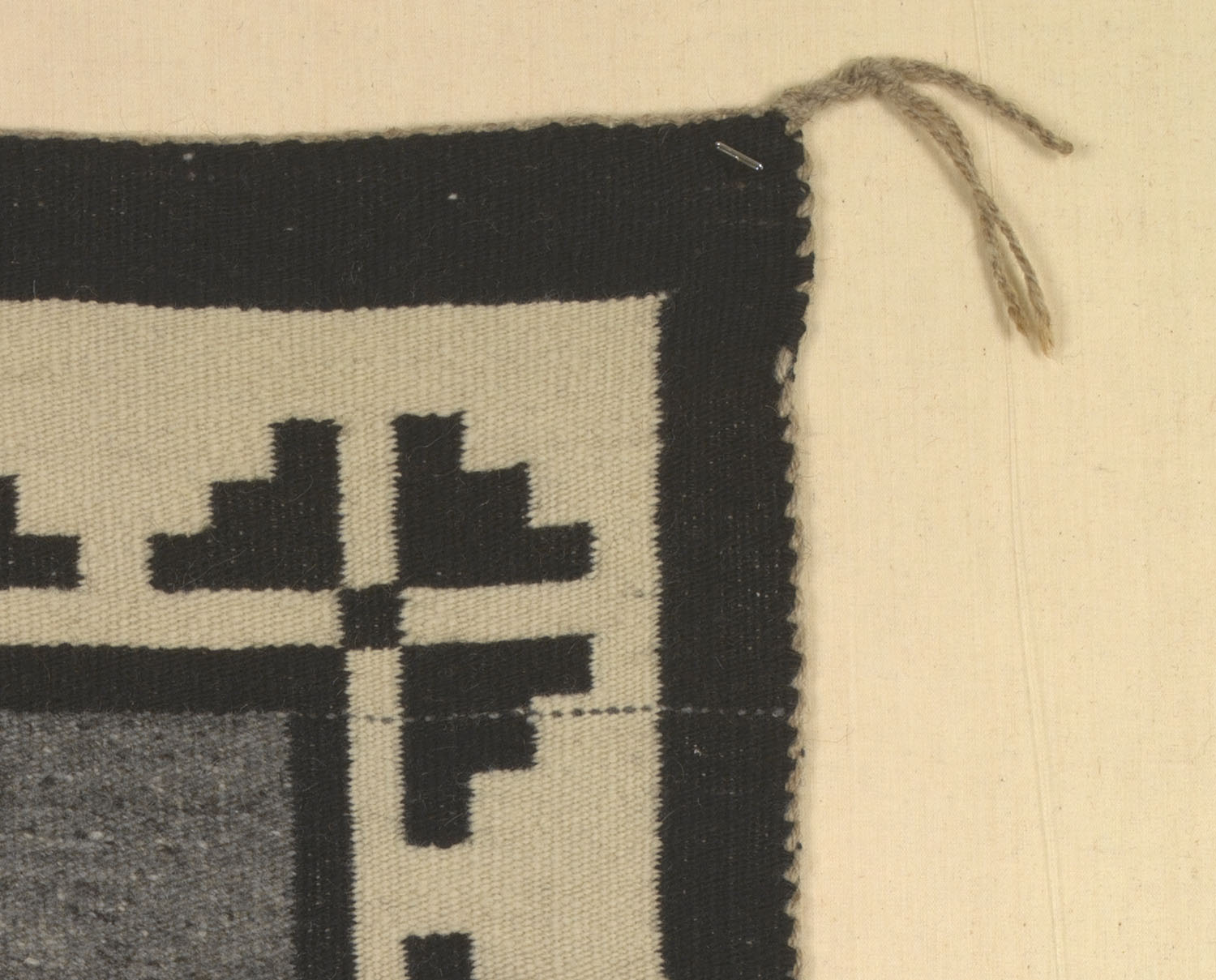
I learned of a Native American belief many years ago while visiting family in northern New Mexico shopping at a local trading post. The beading, basket weaving, and rug weaving had deliberate, but very slight, variations to their patterns. The shop owner informed us of the history and meaning. The imperfections are called “spirit breaks” and are where the spirit can enter or leave the object. She continued to explain that perfection is not achievable by man, only by God. Therefore, seeking perfection is futile.
Her words have lingered with me for well over a decade. Combined with other lessons, teachings, experiences, and perspectives, I now find comfort in the understanding that perfection is not the objective. I find joy in learning from mistakes, reminders of progress. The fear of failure no longer paralyzes the desire to try.
Mistakes are like “spirit breaks”. Through them, we learn the most about ourselves on our imperfect quests for “good enough”.
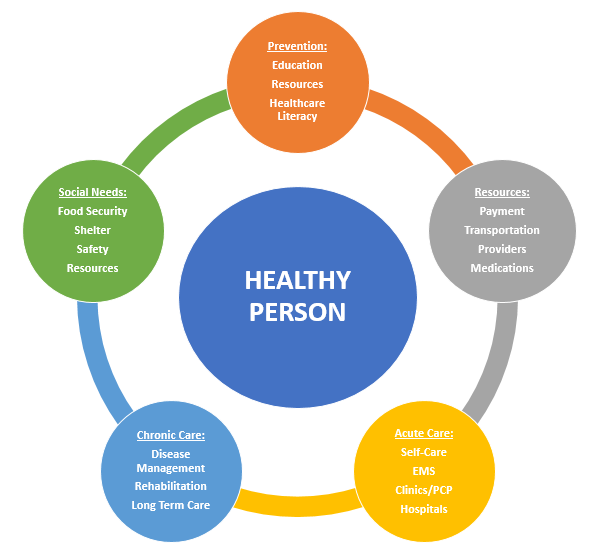
“The social determinants of health are the conditions in
which people are born, grow, live, work and age…shaped by the distribution of
money, power and resources at global, national and local levels “ (WHO). They
are “the complex, integrated, and overlapping social structures and economic
systems that are responsible for most health inequities” and health inequity is
“the difference or disparity in health outcomes that is systematic, avoidable,
and unjust” (CDC).
The social determinants of health include: Income and social
status, Employment and working conditions, Education and literacy, Childhood
experiences, Physical environments, Social supports and coping skills, Healthy behaviors,
Access to health services, Biology and genetic endowment, Gender, and Culture (Canada).
Years ago, already a paramedic, I went back to school to get
my nursing degree. One of my favorite classes was on Cultural Competency. The curriculum
covered the importance of understanding your patient as a complete being and
recognizing how each aspect of their person had an impact on their health.
Humans are not made of molds. The complexity of our lives results
in diversity, even between twins. We are a product of our complete existence and
to properly understand and address health concerns, one must consider this. A couple
examples…
Many people do not fill prescriptions. This is due to a
variety of reasons: limited understanding of the need and purpose, limitations
in insurance coverage or ability to pay, limitations in transportation
resources to go to the pharmacy. Due to cost, sometimes patients are left to choose
between food or housing and prescription medications. Simply prescribing medications,
while it may be what the patient ultimately needs to address their ailments or
manage their disease, is ineffective if their housing and food insecurities are
not addressed.
Different cultures eat differently. Managing diabetes
requires the patient to be informed and deliberate about their food choices. Most
of the educational materials I have seen are not culturally sensitive, meaning
they are not specific to the patient or their culture and therefore fail to
provide realistic and applicable information regarding which foods to avoid and
which to consume more frequently for improved health outcomes.
What does this have to do with Fire/EMS? Fire/EMS and their first responder employees have a unique experience and understanding of their communities due the nature of their business, responding to those in need. With that experience, and associated information, comes responsibility. We are stewards of the people we serve. We are the safety net of society. We must leverage our data to address gaps in services and then use it to make a difference in patient outcomes either through programming and/or advocacy.
Compassionate care. Informed practice. Patience with patients. Outcome focused programming. Advocacy for change. How do the social determinants of health impact your care?
I know, this can be a touchy subject and I am not going to
pretend to have the answer, but I believe it is important that we have this
conversation as we work through the issues currently facing healthcare in the
United States. I also am not going to pretend to be an expert, certainly not on
healthcare entirely, but I do have some experience, especially in emergency
medical services.
Most people are unaware and uninformed of the experiences of
emergency medical services providers. Most assume they are filled with cardiac
arrests, severe respiratory distress, critical trauma, heart attacks, strokes, and
other “true” emergencies and while this is partially correct, would it surprise
you to learn that a significant portion of 911 calls for service are not
necessarily “true” emergencies, but instead people that lack resources such as
housing, food, transportation, prescription refill, behavioral health, or
primary care? People routinely utilize the 911 system for: a hot meal and a bed
for the night; the ambulance ride to the hospital because they don’t have their
own car, a family member or friend that can take them, or money for a cab or
public transit; prescription refill because they have run out of their medication
and they can’t get into their primary care physician (if they even have one) for
several weeks; and, their limited behavioral health benefits have run out (if
they had them at all). Sometimes, they call 911 because they assume if they
arrive by ambulance, they won’t have to wait in the emergency department
waiting room.
I bring this up in the context of the question of healthcare being a right or privilege because from an emergency medical services perspective, due to EMTALA (and basic principles of humanity), access to emergency healthcare is a right. Emergency medical providers must treat all who call upon their services without prejudice, whether or not they are insured or have the ability to pay. In most communities, EMS protocols don’t allow them to transport the patient anywhere but the hospital and they seldom, if ever, permit EMTs and paramedics to treat and release. This means that most people that call 911, whether they are having an emergency or not, whether they can pay or not, are going to the hospital by ambulance.
What we know about healthcare is that emergency is the most
expensive form of services. Primary and preventative care is significantly less
expensive and if used, greatly improves health outcomes and thereby reduces
morbidity and complications. If we treat services such as primary care,
preventative care, dental care, behavioral health, eye care, pain management,
nutrition, chronic disease management, and programs that address the social
determinants of health as a privilege, we all pay for the over-utilization of emergency
medical services for two reasons. One, people will be sicker because they don’t
have access to primary and preventative care thereby utilizing emergency
services in their place or waiting until they are so sick, they actually experience
an emergency. Two, all services will be more expensive because somebody has to
pay the bill. Nothing is free.
The cost of doing nothing is exorbitant. Untreated behavioral health results in greater crime rates, jail and law enforcement costs, increases in drug and alcohol abuse, homelessness, and more. Not addressing social determinants of health such as housing, food, transportation, nutrition, and education results in poorer health, an increase in medical costs, lost productivity, and more. Not only is refusing access to quality human services due to a lack of ability to pay inhumane, it is fiscally irresponsible. What are your thoughts? If it isn’t a right and it is a privilege, when do we say “no” and how?
Several years ago, one of my mentors wisely said, “every day and every moment is a job interview, you never know who is watching and what they might mean to you now and in the future”. I have often repeated these words to myself throughout the course my life and career, and more times than I can count, they have proven to be true. One time in particular that comes to mind was when I was testifying before a government council on behavioral health, providing both subject matter expertise regarding a policy change they were considering as well as presenting a potential program to better address mental health crisis and associated emergency response. That moment provided one opportunity within weeks and another several years later.
The first opportunity was immediate recruitment to join the working
group tasked with getting community paramedicine from concept to bill to state law.
After several months, meetings, trips to the state capitol, and more testifying
before the legislature, we were successful! Many members of the working group
have gone onto other related adventures and projects. Some remain in their
previous positions or companies, continuing to be innovative and changing the
way we provide care and services to our communities. All of them are
influencers and amazing people to know. I am grateful for the lasting
relationships the working group involvement afforded me.
The second opportunity was nearly three years after testifying
before the government council. A member of the audience remembered the
presentation on the program to better address mental health crisis and associated
emergency response and wanted to provide state funding to try it. It came as a
complete surprise but we were eager to give it a whirl and ultimately, the
program is getting even-better-than-expected results! We call it the Crisis
Response Team. A public-private partnership with the state, local fire
department, private ambulance, and a nonprofit working together to provide an
ambulance response with an advanced EMT, paramedic, and licensed clinical
social worker to behavioral health crisis calls within the emergency response
system.
And so those words of my mentor continue to repeat in my
head frequently, even in the most seemingly insignificant of circumstances. Every
day, we come in contact with more people than we realize. How do we portray
ourselves? What do we communicate to them through our words and actions about
our values, purpose, and potential? If we were to treat each project, each
conversation, each encounter as if it were an interview for the future job of
our dreams, how would that influence our effort and behavior?
In one of my previous blogs, I talk about how the fire service has done an excellent job of reducing the number of fires in their communities through the efforts of their fire investigators, inspectors, and prevention personnel and programming; collectively called, Fire Prevention. Considering that 90% or more of the calls for service each year for most fire agencies are not fire in nature, but instead a combination of emergency medical and public assist calls, isn’t it time we establish something like an Emergency Medical Services (EMS) Prevention Division? Humor me and read on:
EMS Investigations: a team of highly-trained, specifically-certified people dedicated to investigating why a particular person or facility or neighborhood is having a particular set of problems such as: respiratory illness, frequent falling, medication errors, transportation barriers, lack of housing or food security. This team compiles their information into a meaningful report and passes the information onto the rest of the team for further action. If there are facilities that are mistreating their patients, or people that are committing elderly abuse, or if there are barriers to accessing primary care or housing or food or transportation, these issues would be well documented, empowering effective advocacy and accountability through the various channels for correction.
EMS Prevention: a team of highly-trained, specifically-certified people dedicated to preventing illness and injury in our communities armed with data from first response documentation and the EMS Investigations reports. They would provide targeted education and training to the community, such as: how to prevent diabetes, heart disease, strokes, drownings, falls, vehicle accidents, and more. Rather than fire exit drills they would be providing healthy diet, exercise, and rest modules. Rather than teaching CPR at local pools, they would be mandating and facilitating the installation of pool gates and safety alarms to prevent drowning in the first place. They would be testifying before the legislature regarding unsafe practices in nursing homes and assisted living facilities, ensuring patients receive the care and attention they deserve. They would advocate for a more comprehensive public transportation model that didn’t require 2-hours and 8 bus changes to get somebody to their job, each way. They would advocate for affordable housing and against food deserts and lack of primary care.
EMS Inspectors: a team of highly-trained, specifically-certified people dedicated to ensuring neighborhoods, apartment complexes, medical facilities, nursing homes, assisted living facilities, and schools are following the best practices identified through the EMS Investigations findings…that people are safe from medication errors, fall risks, and healthcare and social service practices more interested in profits than patient outcomes. Just as Fire Inspectors have the authority to assess fines and close unsafe buildings, EMS Inspectors could be so empowered.
This is Mobile Integrated Healthcare (MIH) in Fire Services. MIH is simply using patient-centered, mobile resources in the out-of-hospital setting for improved community outcomes. The Fire Service is well-positioned to provide these services for three main reasons: 1. publicly funded services have an obligation to do the right thing regardless of reimbursement or financial profits; 2. preventing illness and injury in the community is the right thing to do; 3. if you do nothing, it’s only going to get worse and our current models can’t support that.
What are your thoughts about an EMS Prevention Division a.k.a. Mobile Integrated Healthcare in the Fire Service? Leave your comments below:
It comes as no surprise to most people that fire departments are expensive to operate. Considering the fire stations, fire apparatus, tools, equipment, and manpower it requires to provide a service in which you make a phone call and in less than ten minutes you have an arsenal of highly-trained, terrifically-equipped people at your location ready to lay their lives on the line to make sure you’re ok, it makes sense.
True, there aren’t as many fires as there once was, but that is no accident. You see, we care so much about you and recognize that the best way to keep you safe is to prevent the fire from happening in the first place. So, we have fire investigators that determine what caused the fire. If it was an arsonist, we arrest them. If it was a curious child, we help them understand the dangers of playing with fire. If it was faulty electrical or poor building design, we change building codes so it won’t happen again. It’s an interesting business model, I know.
It comes as a surprise to many people that firefighters do much more than fight fire. The fire department has become your all-hazards, jack-of-all-trades, first response agency that “puts out fires” of all shapes and sizes, both literally and metaphorically. House fire? We got you. Trapped in your car, need to be extricated? Yup, that too. Stuck in an elevator? We’re coming. Choking, drowning, or suffering from a stroke? We know what to do. Delivering a baby? Let me grab that bag.
The reality is that occasionally things are going to catch fire and we need to be ready to put them out. Rather than just sitting here waiting for a fire, we have found other ways to provide value to our community through fire prevention, fire investigations, fire inspections, emergency medical services, vehicle extrication, and more.
When you’re so good that you risk becoming obsolete, you build on your model and find ways to deliver even more value to your customer.
I’m asked on a regular basis, why a firefighter? Honestly, it fell into my lap when I was nineteen on the recommendation of my brother-in-law who was a firefighter/paramedic for a neighboring department. In hindsight, it makes all the sense in the world. At the time, I was playing college soccer, pursuing a degree in pre-medicine, my only work experience had been lifeguarding at Wet ‘n Wild, and I had just finished four years of Student Council in high school. Each of these aspects of my past unknowingly prepared me for success in the fire service, and because of them, I have found a home in public services.
Soccer: Firefighting is a team sport. There is a captain, roles and assignments, strategies and tactics. We play to the strengths and weaknesses of our teammates. Sometimes we’re on offense, advancing hose lines deep into structures to find the seat of the fire. Sometimes we’re on defense, evacuating compromised buildings with imminent collapse and setting up master streams to prevent the fire from spreading. Each player has a responsibility to the team to maintain fitness and competency. We follow orders because victory depends on it.
Pre-medicine: Ninety percent of LVFR’s calls for service are medical in nature. From cardiac arrests to strokes to heart attacks to trauma, paramedicine is exactly that, “like medicine”. While I was in the fire academy going through the EMT Intermediate curriculum, my sister was in nursing school. Within a few weeks, my cohorts and I were learning how to administer medications intramuscularly and intravenously. My sister had to complete nearly two years of prerequisites and basic human science classes before she was allowed to administer medications using those routes. A few years later while in paramedic school, a nine-month program, I was quickly intubating, delivering electrical therapy, and administering intraosseous medications. I was practicing medicine!
Lifeguarding: While lifeguarding at Wet ‘n Wild, I became CPR and first-aid certified as well as learned several rescue techniques. Over the course of the summer, I made several saves often of children that did not know how to swim yet their negligent parents assumed they were safe to ride the inner tube down the rapids and into the deep, tumultuous waters. We were regularly audited, unexpectedly pulled for an assessment of our skills. Over time, I learned to like audits as they gave me an opportunity to practice my hard-earned skills.
Student Council: Only in the last few years have I come to understand the purpose of my four years of Student Council in high school. On a much smaller and less significant scale, I learned a lot about elections, popularity, budgets, programs, and fundraising. The budget for the Girls’ Reverse Formal was a few thousand and we managed the music, decorations, venue, photography, advertising, and ticket sales. The Nurse Triage Line’s budget is in the hundreds of thousands and we manage the software, recruitment, selection, training, stakeholder engagement, data analytics, and sustainability.




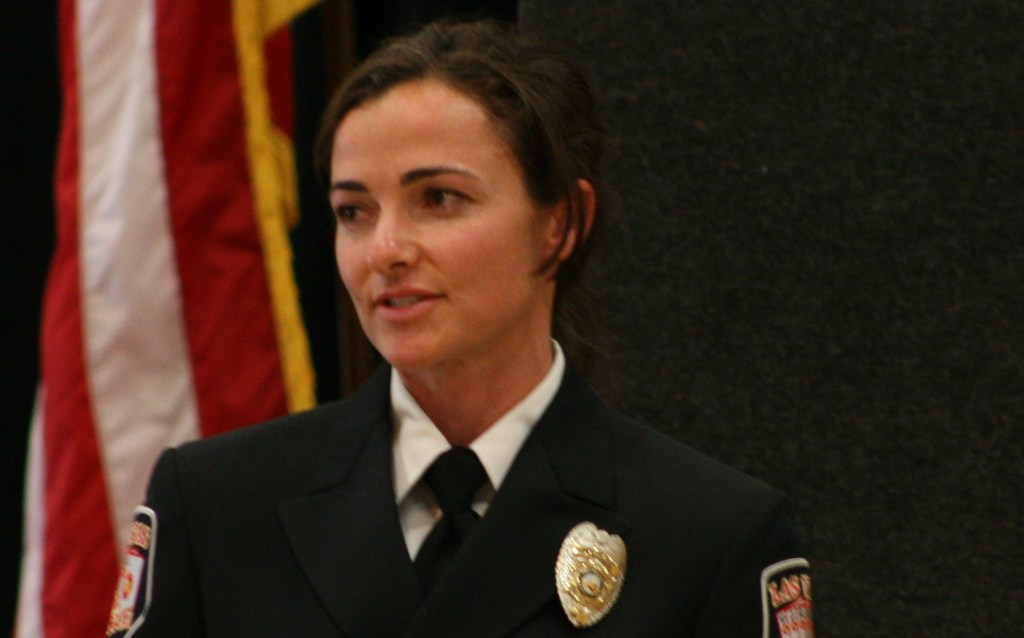
 Sarah J McCrea-Dameron